Rooms That Know What They Are For
Open plan living asked one room to do everything. Why dedicated rooms are returning, and how to design a home around how life actually happens inside it.
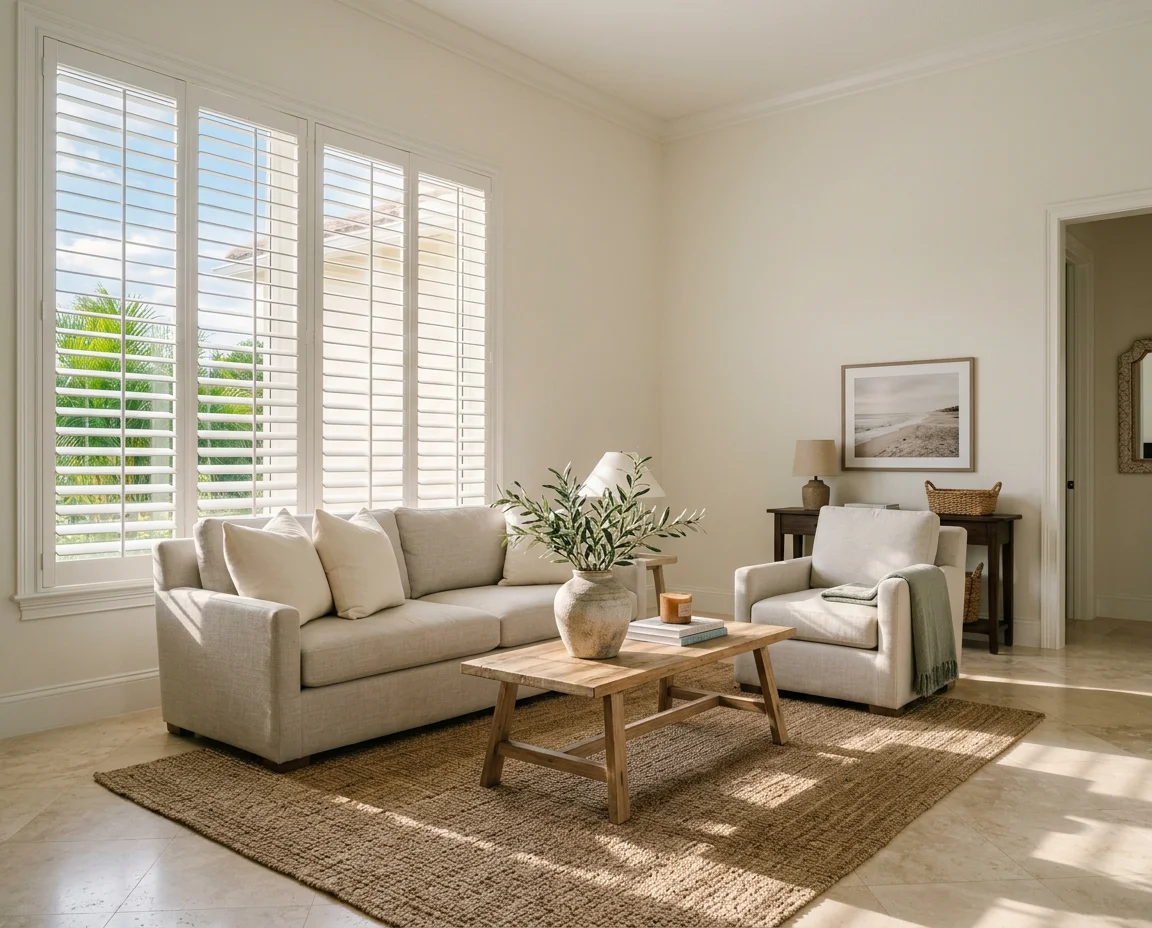
In Naples, a home can sit quiet for months and then hold an entire season of life in a few short weeks. That rhythm asks something particular of a house. It has to be restful when it is empty and capable when it is full, and it has to make the turn between the two without strain.
For years, the answer to that was space. Walls came down. Kitchens expanded into living rooms. Dining spaces blurred into family rooms. One large, flexible room became the answer to almost everything, and there was good reason for it. Open plan living reflected a more casual way of life. It encouraged connection, made entertaining easier, and allowed homes to feel larger and lighter.
But somewhere along the way, flexibility began asking rooms to do too much. The kitchen island became a breakfast table, homework station, home office, cocktail bar, and gathering place. The guest room became a gym with a bed in it. The dining room became somewhere to store unopened packages until the next holiday.
Now there is something increasingly appealing about the opposite idea: a room that knows exactly what it is for. Libraries. Dressing rooms. Home bars. Wellness spaces. Breakfast rooms. Studies. Even beautifully considered utility rooms. The return of rooms with a purpose is not a return to formality. It is a return to intention.
From Open Plan Living to Intentional Design
Open plan design was never the problem. The question is whether openness supports the way a household actually lives. A family that cooks together, entertains frequently, and wants conversation to move easily between the kitchen and living room may thrive in an open space. Someone who works from home, reads every evening, hosts overnight guests, or wants somewhere quiet to decompress may need something entirely different. The most successful homes do not follow a formula. They respond to behavior.
That shift, from designing around how a home is expected to look to designing around how life actually happens inside it, is what makes dedicated rooms interesting again. A room with a defined use creates a boundary. When you enter a library, you read. When you step into a dressing room, the ritual of getting ready has its own place. A home bar changes making a drink from an everyday action into an occasion. A wellness room gives rest, movement, or recovery somewhere to exist without competing with the rest of the household. Architecture begins to support ritual.
The Case for a Single Purpose
There is something genuinely rare in allowing a space to do only one thing. Not because every home needs more rooms, but because modern life seldom offers environments that are singular in their purpose. A phone is a camera, a calendar, an office, a television, a map, a library and a social space. The day moves constantly between work and leisure. Even at home, the boundaries between activities have become increasingly thin.
A dedicated room interrupts that pattern. The study says work happens here. The bedroom says the day ends here. The dining room says we are sitting down together. Definition gives a space permission to set its own pace, and that is a rare thing to be given.
The Home Library Is About More Than Books
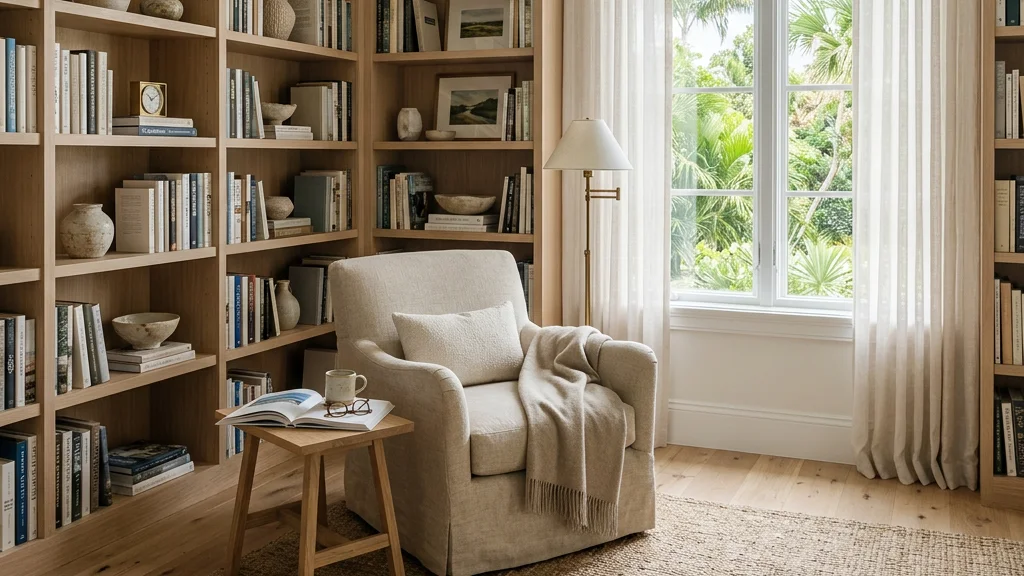
Consider the home library. Its practical function is obvious, but the appeal of a library has never been purely storage. A library creates an atmosphere around reading. The chair matters. The lighting matters. The height of the shelves, the placement of a table, the ability to close a door, all of it contributes to a small ritual of retreat.
The same is true of a room designed for listening. Music can be played anywhere. But a space built around it, with considered acoustics, seating, lighting and the absence of other distractions, communicates that this particular activity deserves attention. A dedicated room elevates an ordinary ritual by giving it context.
The Dressing Room and the Ritual of Getting Ready
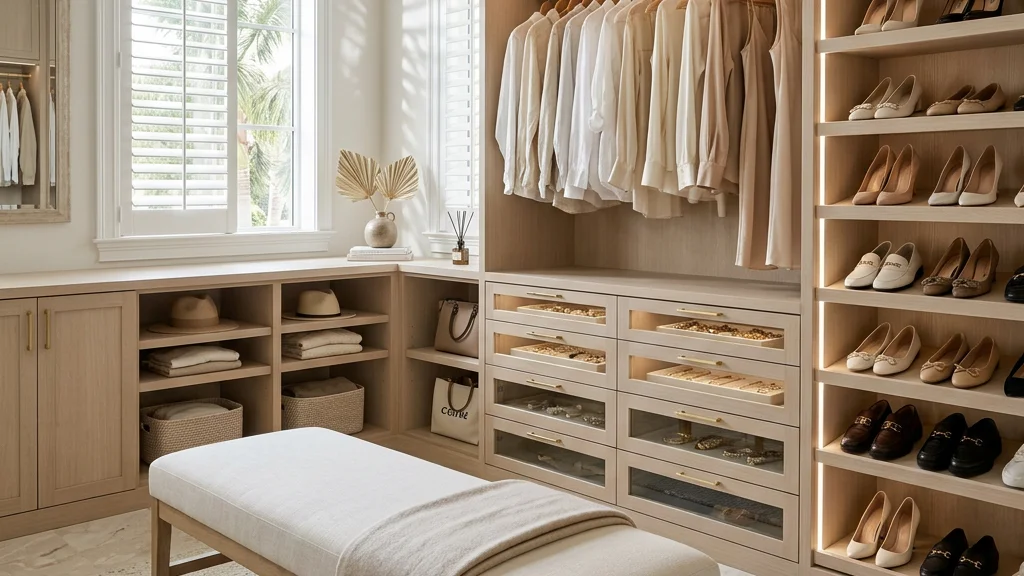
A well designed dressing room extends function well beyond storage. At its simplest it holds clothing. At its best it considers the entire rhythm of getting ready: where jewelry lives, where shoes are visible, how garments are organized, where natural and artificial light fall, where a bag can be set down, and where tomorrow's outfit might wait. The room removes dozens of small inconveniences before they occur.
That is the difference between storage and thoughtful design. One contains belongings. The other understands how they are used.
The Home Bar Finds Its Place Again
The home bar has evolved. Rather than a cart pushed against a wall, dedicated bars are increasingly built into the architecture of a home: cabinetry designed for glassware, refrigeration tucked beneath counters, lighting that changes in the evening, and seating that creates a natural gathering point. The role is not simply serving drinks. It creates a destination within the home.
The same principle applies to a coffee station, a wine room, or a pantry designed around the rituals of hosting. When entertaining has a place, the host spends less time improvising and more time present.
Wellness Deserves a Room
Wellness spaces are one of the clearest expressions of how expectations of home have changed. A home gym once meant equipment fitted wherever space allowed. Today a dedicated wellness room might be designed around yoga, strength training, meditation, recovery, sauna, or a combination specific to the household. The distinction matters. A wellness space should not simply contain equipment. It should make someone want to use it.
Light, ventilation, flooring, acoustics, privacy, storage, and proximity to a bathroom or outdoor area all influence whether a routine becomes part of everyday life. Design cannot create a habit. It can make one easier to keep.
Even the Practical Rooms Deserve Care
Careful design is not reserved for the rooms that get photographed. Mudrooms, laundry rooms, pantries and household work areas have some of the clearest jobs in a home. They also carry some of the greatest potential to improve daily life.
A mudroom designed around the people who actually use it prevents clutter from traveling through the rest of the house. A laundry room with proper surfaces, storage, hanging space and workflow turns a repetitive task into something noticeably less cumbersome. A pantry organized around how a household cooks makes a kitchen function better without changing the kitchen itself. A garage held to the same standard does the same work. These rooms may never be the ones guests remember. The people who live there feel them every day.
Definition Without More Square Footage
Dedicated space does not mean every activity requires its own room. Definition can exist on a smaller scale. An unused corner can become a reading nook rather than receiving another decorative chair. A section of cabinetry can become a beautifully organized bar. A landing can become a writing desk. A closet can be reconsidered around a morning routine. Deliberateness matters more than size.
The better question is not what belongs in this space, but what would make life better here. That question tends to produce very different homes.
A Home That Knows Its People
Rooms with a clear use reveal something an open plan cannot. A library says someone values quiet. A generous dining room says gathering matters. A wellness room says caring for the body deserves its own space. These rooms say something about the people who live within them, and that may be why their return feels so welcome.
For a long time, much of the conversation around residential design centered on homes that could appeal broadly: flexible spaces, neutral choices, rooms capable of becoming whatever the next owner might need. But a personal home does not need to be everything to everyone. It needs to work exceptionally well for the people who are already there.
There is luxury in openness. There is luxury in flexibility. There is also luxury in closing a door, entering a room built around something you love, and knowing exactly why that space exists. A house that knows what each of its rooms is for earns that twice over here. Once in the quiet months, and again in the weeks when everyone is home.