Home Remodeling: Which Design Trends Are Worth Considering and Which Are Not
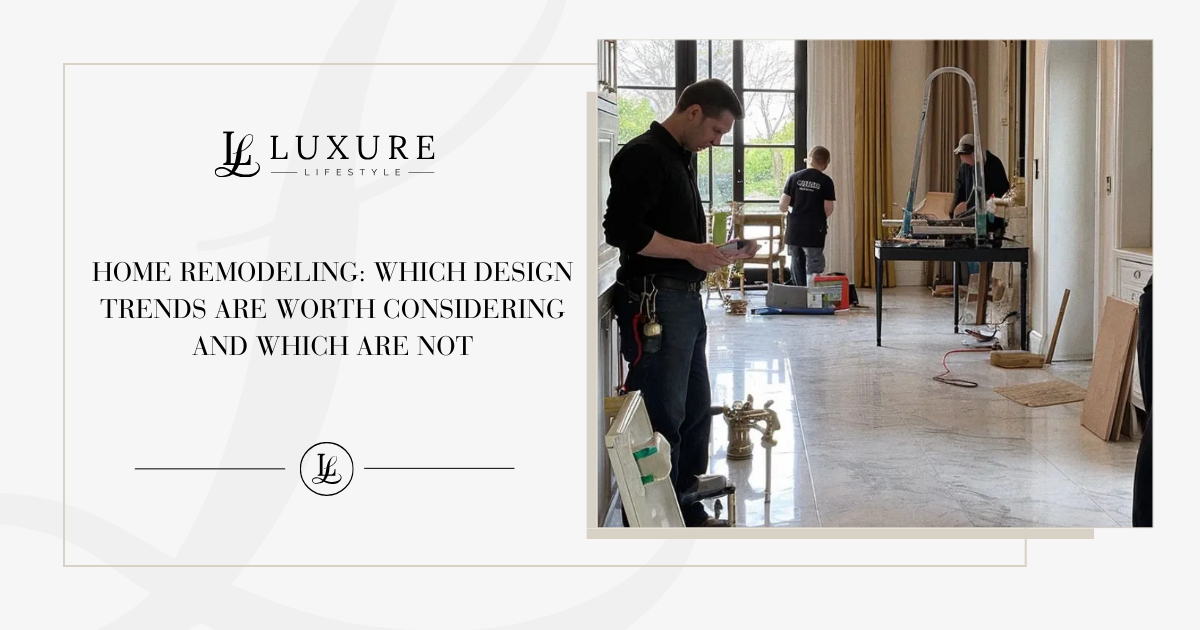
Home remodeling for luxury residences isn’t about trends or fast updates. It’s about protecting the architectural integrity of a high-value home while refining how it supports daily living and entertaining. When I work with clients who own primary homes, seasonal estates, or multiple residences, every remodeling decision must justify its permanence. In this context, home remodeling demands restraint, clarity, and long-term vision.
Trends can be useful when they’re applied with intention. Some enhance comfort, organization, and long-term value, while others introduce visual clutter or unnecessary maintenance. I’ve seen exceptional homes lose their sense of calm because a trend was followed too literally. Discernment is what separates a well-designed remodel from one that feels dated too soon.
Below is a clear breakdown of the home remodeling trends I consistently recommend, along with those I advise using sparingly or avoiding altogether.
- Elevated natural materials selected for longevity
- Thoughtfully structured open-living layouts
- Bespoke millwork and integrated storage solutions
- Spa-caliber bathrooms designed for daily restoration
- Kitchens built for real use, not display alone
- Overly thematic or highly personalized design choices
- Trend-driven colors and finishes applied to fixed elements
- Over-engineered smart-home systems
- Extreme minimalism without warmth or texture
- Fast-luxury materials that age poorly
Let’s start with the first trend I recommend for luxury homes: elevated natural materials.
Elevated Natural Materials Selected for Longevity
Materials establish the emotional and visual foundation of a luxury residence, and you feel that immediately when you walk through the door. Natural stone, solid wood, and refined metals bring depth and credibility that manufactured finishes simply can’t replicate. Honed limestone flooring in main living areas or wide-plank European oak with a natural oil finish adds warmth without visual excess. These are the kinds of choices that continue to feel right as you live in the home over time.
In kitchens, natural stone countertops such as Taj Mahal quartzite, Calacatta Gold marble, or soapstone offer durability without sacrificing restraint. These surfaces pair naturally with solid-wood cabinetry in rift-sawn white oak or walnut, finished in soft, matte sheens rather than high-gloss coatings. A refined kitchen should feel composed, substantial, and comfortable to use every day.
Bathrooms and the surrounding living spaces benefit from the same level of material discipline. Large-format stone slabs on shower walls reduce grout lines and create a calmer, more expansive feel the moment you step inside. From my professional point of view, spaces feel most successful when materials do the work and decorative elements stay restrained. Throughout your home, choosing fewer materials of higher quality helps everything feel connected, calm, and enduring.
Thoughtfully Structured Open-Living Layouts
Open living feels most successful when it’s supported by structure. As you move through your home, you still want moments of arrival, separation, and privacy, even within an open plan. Instead of removing every wall, ceiling treatments, flooring transitions, and intentional furniture placement can define distinct zones while keeping sightlines open.
In primary living areas, a coffered or subtly stepped ceiling helps differentiate seating from dining without visual interruption. Flooring shifts, such as stone in circulation paths and wood in conversation areas, quietly reinforce how each space is meant to function. Cased openings, slim metal-and-glass doors, or partial-height walls with integrated shelving add architectural clarity without closing rooms off.
I see open layouts work best when they’re planned around how you actually live in the space. Pocketing glass doors between a living area and a study or media room give you flexibility throughout the day. In Florida homes, aligning interior floors with outdoor terraces and clearly defining exterior seating zones keeps indoor-outdoor living composed rather than overwhelming. Your home should feel expansive, calm, and easy to navigate from one space to the next.
Bespoke Millwork and Integrated Storage Solutions
The way storage is designed has a direct impact on how calm and functional your home feels. When it’s treated as an architectural element rather than an afterthought, spaces stay visually clean without constant effort. You notice it most in how easily rooms maintain their order and how little visual noise competes for attention.
Living areas benefit from floor-to-ceiling millwork that frames fireplaces, conceals media equipment, and incorporates closed storage without drawing attention. In dining rooms, integrated cabinetry for serving pieces, linens, and glassware keeps entertaining seamless. Mudrooms and secondary entries function better with tailored lockers, ventilated shoe storage, and concealed charging drawers, all of which support daily routines without adding visual weight.
In kitchens, storage should simplify how you move through the space. Walk-in pantries with adjustable shelving, appliance garages, and integrated wine or beverage refrigeration keep counters clear and circulation smooth. Primary suites feel more composed with custom wardrobes that balance hanging space, drawers, and display shelving. Bathrooms, hallways, and transitional areas benefit from floating vanities, recessed medicine cabinets, and concealed linen storage that keeps everything in its place while staying out of sight.
Spa-Caliber Bathrooms Designed for Daily Restoration
A well-designed bathroom should feel like a pause in your day, not another room competing for attention. You should sense calm the moment you step inside, through proportion, light, and material restraint. In primary suites especially, the bathroom often sets the tone for both mornings and evenings.
Large-format stone slabs on shower walls reduce grout lines and visual interruption, which immediately quiets the space. Floating vanities with integrated drawer organizers keep surfaces clear, and I design these layouts so you’re never managing clutter at the counter. Freestanding soaking tubs work best when they’re given space to breathe, paired with floor-mounted fillers in brushed brass, nickel, or unlacquered bronze. Lighting should remain layered and soft, favoring integrated mirrors and concealed fixtures over decorative statements.
Daily comfort improves when details support routine rather than demand attention. Heated floors, steam showers with discreet controls, and private water closets elevate function without visual excess. Natural light filtered through frosted glazing or sheer treatments keeps the room bright without exposure. Your bathroom should support rest and rhythm quietly, in a way that feels effortless rather than indulgent.
Kitchens Built for Real Use, Not Display Alone
A kitchen should support how you actually move, cook, and gather throughout the day. The difference becomes clear when circulation feels intuitive, surfaces stay uncluttered, and storage sits exactly where it’s needed. In my work with clients who cook often or entertain regularly, usability consistently matters more than visual drama. A kitchen that functions well never needs to announce itself.
Layouts work best when work zones are clearly defined and generously sized. Oversized islands with prep sinks and discreet seating allow multiple people to use the space without overlap. Refrigeration panels that blend into cabinetry, concealed appliance garages, and secondary prep areas keep the main kitchen calm even during busy moments. These decisions make the room feel composed rather than crowded.
Materials and finishes should support daily use without demanding constant maintenance. Quartzite, soapstone, and well-sealed marble hold up better than delicate surfaces treated as decorative statements. Cabinetry with solid construction, soft-close hardware, and interior organizers keeps everything within reach while staying visually quiet. The space should feel effortless to use, whether it’s a quiet morning at home or a full evening of entertaining.
Now that we’ve covered the design choices worth embracing, it’s equally important to talk about the trends that deserve a more cautious eye.
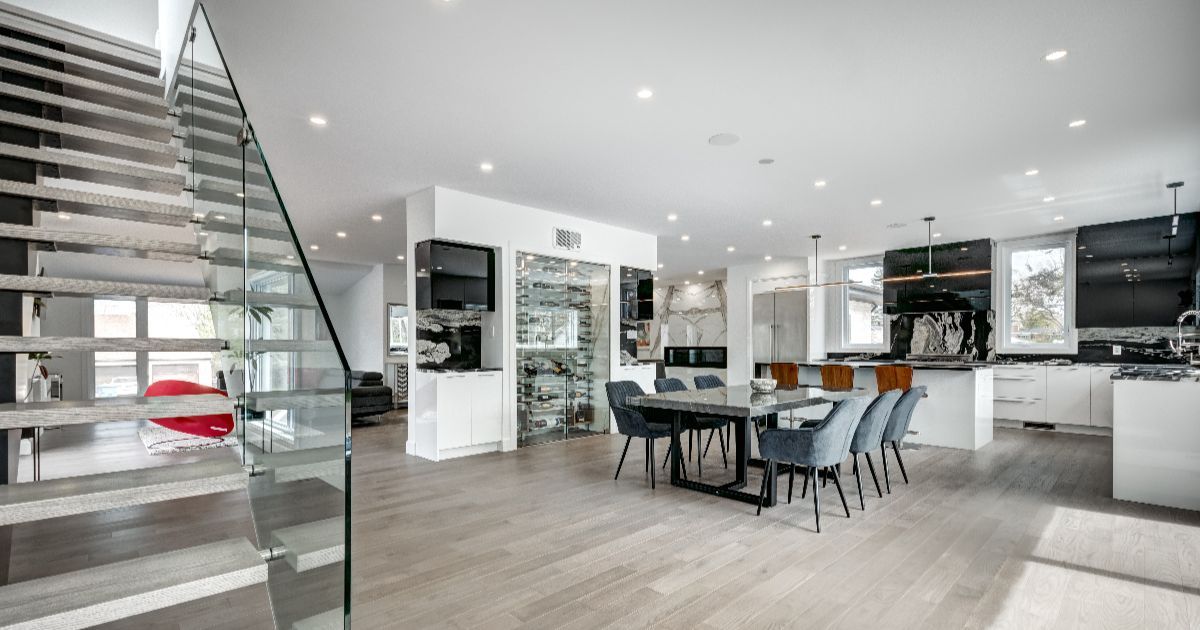
Overly Thematic or Highly Personalized Design Choices
Highly themed interiors can feel compelling at first, but they often limit how your home can grow with you. When a space is built around a single aesthetic, era, or storyline, it starts to feel fixed rather than flexible. Over time, this can make everyday living feel more constrained than intentional.
You tend to see this most in permanent decisions. Bold wall treatments, immersive patterns, or custom finishes tied to one concept can be difficult to adjust without major work. What initially feels expressive can quietly restrict how you use the space as your needs shift.
I’ve seen homes age far more gracefully when personality is layered rather than built in. Art, furnishings, and collected pieces allow your tastes to evolve without forcing a remodel. This keeps your home personal while leaving room for change.
Trend-Driven Colors and Finishes Applied to Fixed Elements
Color and finish trends tend to move far faster than the homes they’re applied to. When a trending hue or surface treatment is built into permanent elements, your home can feel tied to a very specific moment rather than able to evolve with you. The effect becomes more noticeable as tastes shift while the architecture stays the same.
You’ll notice this most in cabinetry, tile, stone, and built-in millwork. High-contrast paint colors, dramatic veining, or distinctive metal finishes can dominate a space long after their initial appeal fades. Over time, these elements often demand attention instead of supporting the atmosphere you want to live in.
Homes tend to age more gracefully when expressive choices remain flexible, and I’ve watched this play out across many long-term residences. Upholstery, art, decorative lighting, and layered accessories allow your preferences to change without requiring construction. Your home stays current, composed, and free from the pressure to constantly update permanent features.
Extreme Minimalism Without Warmth or Texture
Minimal interiors often appeal because they promise calm, and I’ve seen many homeowners gravitate toward that visual quiet. Problems start when warmth, texture, and variation are removed so thoroughly that your home begins to feel distant rather than restorative. Over time, that emptiness becomes something you feel in everyday moments, not just something you see.
The discomfort usually shows up in spaces dominated by flat surfaces, rigid palettes, and finishes that reflect light without absorbing it. Rooms can look pristine yet feel acoustically harsh, emotionally cool, and strangely uninviting. Even large, beautifully proportioned homes lose their sense of ease when nothing softens the experience of being in them.
A more balanced interior allows your eye and your body to relax at the same time. Natural materials with visible grain, subtle veining, or tactile finishes introduce depth without clutter. Calm should feel supportive and lived-in, not severe or withheld.
Fast-Luxury Materials That Age Poorly
Some finishes look impressive the day they’re installed, and I’ve seen how quickly that impression changes once you start living with them. Thin veneers, synthetic stone, and lightweight metals often promise a luxury look without the substance your home actually needs. You feel the difference when surfaces stop blending into the background and start demanding attention.
The problem usually shows up where your home gets the most use. Cabinets chip when they’re opened daily, flooring dents under normal wear, and surfaces that can’t be refinished begin to limit how relaxed you feel in the space. Instead of supporting everyday living, those materials quietly interrupt it.
A more comfortable experience comes from materials that can handle real life. Solid wood, natural stone, and well-crafted metals wear in rather than wear out. Living with finishes that hold their integrity allows your home to feel steady, considered, and easy to maintain.
Conclusion
A well-designed home reflects restraint, clarity, and an understanding of how you actually live. The most successful renovations are driven by decisions that respect architecture, daily routines, and long-term value rather than momentary appeal. As you evaluate trends, the question is rarely whether something looks good today, but whether it will continue to serve you years from now. Home remodeling works best when each choice feels intentional without feeling overdesigned. When materials, layouts, and details are selected with discernment, the result is a home that feels calm, enduring, and quietly confident.
Recent Posts