Why Garage Storage Systems Are a Smart Long-Term Investment for Your Home
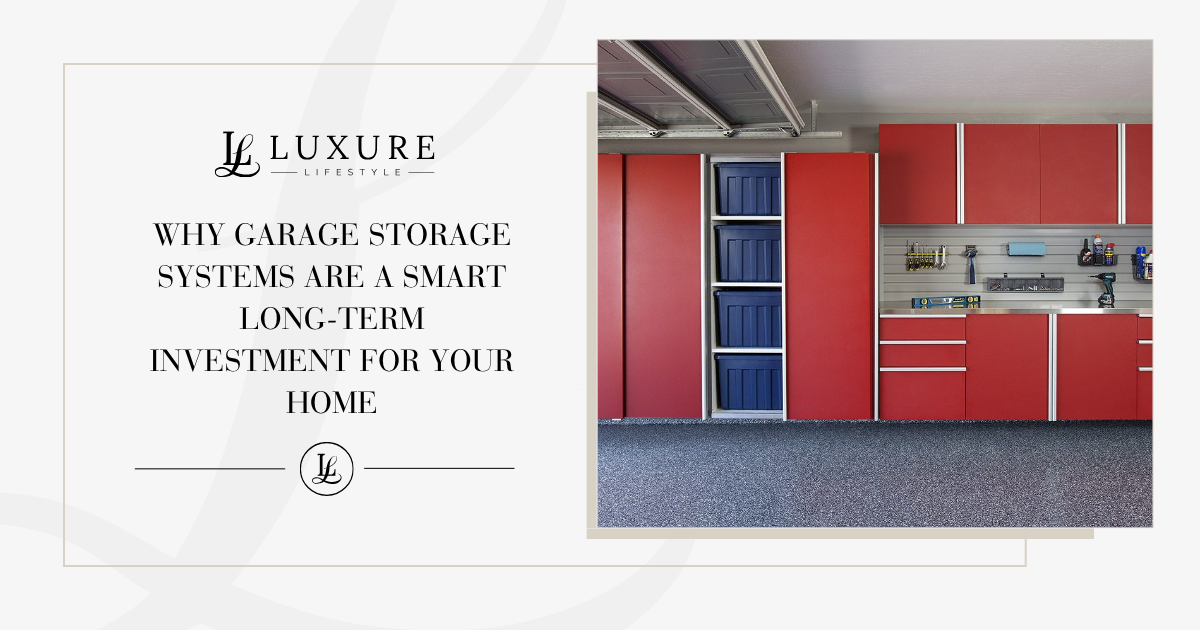
The garage is often one of the largest yet least intentional spaces in a home. While kitchens and living areas receive structured design, garages frequently become overflow zones without a clear system. Refined garage storage systems shift that dynamic by bringing structure, clarity, and visual balance to the space. I’ve come to see that when the garage is designed with intention, it influences how the entire home feels.
Garage storage systems are not simply about adding cabinets. They protect what you own, restore usable square footage, and contribute to the overall value of the property. A cohesive storage plan supports daily life while elevating the look and feel of the garage itself. Strategic design choices turn unused square footage into a functional asset.
Several key factors explain why this upgrade stands out as a smart, long-term investment:
- Better use of space
- Protection for your belongings
- Improved daily function
- Increased home appeal
- Long-term return on investment
- Timeless design and durability
- Elevated lifestyle experience
- Adaptability over time
Each of these advantages plays a role in why garage storage systems stand out as a lasting upgrade for the home.
Better Use of Space
Most garages don’t lack square footage, they lack intention. Boxes accumulate, tools spread outward, and usable floor space slowly disappears without anyone noticing. The problem usually isn’t size, it’s layout. A deliberate plan can completely reshape how the space supports your daily life.
Vertical surfaces are often underused. Cabinets, wall systems, and elevated storage lift items off the floor and redistribute weight across the room. Once belongings move upward, movement becomes easier and pathways reopen. The entire garage begins to feel more controlled.
Defined storage zones also reduce constant reshuffling. When equipment, seasonal décor, and household supplies each have assigned placement, you stop shifting stacks just to reach one item. Garage storage systems bring structure to areas that previously felt improvised. Order replaces the low-level frustration that builds over time.
I’ve had homeowners realize that the space felt larger the moment the floor cleared. Open walkways change how you move through the garage, and movement influences how the space feels. Organization becomes functional, not just visual. Better use of space strengthens both practicality and long-term property value.
Protection for Your Belongings
Garages often store items you rely on for years, not just weeks. Tools, equipment, and seasonal décor sit exposed to dust and humidity more than most people realize. Gradual exposure wears down finishes and surfaces without drawing immediate attention. Protection starts with thoughtful containment.
Open shelving may feel convenient, but it leaves belongings vulnerable. Airborne debris settles into crevices, and shifting temperatures affect materials differently. Items stacked closely together scrape, press, and rub against each other. Small damage accumulates faster than expected.
I prefer storage layouts that separate and enclose items rather than stacking everything in the open. When belongings have defined compartments, they stop competing for space. Scratches, corrosion, and surface wear decrease noticeably. Garage storage systems create that protective structure.
Containment also improves overall control of the space. Hazardous materials remain secured, and valuable equipment isn’t left exposed to daily movement. Clean lines reduce clutter while reinforcing order. Protection, in practical terms, extends both usability and lifespan.
Improved Daily Function
A garage that works well changes how your day moves. When placement supports movement, you’re not circling the room or shifting items just to reach something basic. Access feels direct instead of delayed. Small adjustments in layout remove repeated friction.
Clear segmentation reduces unnecessary motion. Work equipment stays near project space, sports gear remains grouped, and seasonal décor doesn’t spill into daily storage areas. Defined placement limits hesitation before each task. Movement becomes more efficient and predictable.
Disorganization rarely stays confined to one area. When storage lacks structure, overflow spreads into closets, hallways, and spare rooms. Garage storage systems create boundaries that prevent that drift. Order in one zone reinforces order throughout the home.
Structured cabinetry and integrated shelving support both usability and presentation. Clean lines make the space feel finished rather than temporary. Retrieving items becomes simpler because everything has an assigned location. Improved daily function becomes noticeable in the way routines flow.
Increased Home Appeal
When someone steps into your garage, they form an impression almost instantly. If the space looks chaotic, it changes how the rest of the home feels. Clean cabinetry and defined structure signal intention. You can feel the difference when everything looks finished instead of temporary.
Think about how your garage looks right now. Are items stacked unevenly or tucked into random corners? A cohesive layout replaces that visual noise with alignment and balance, and I’ve noticed how quickly a structured space shifts the way you feel about it. Order influences perception more than you might expect.
Defined storage removes distraction. Instead of exposed bins and scattered equipment, you see straight lines and clear zones. The space feels integrated with the home rather than separated from it. That consistency adds quiet confidence to the property.
Garage storage systems also contribute to resale conversations in subtle ways. Buyers respond to spaces that look maintained and controlled. Organization suggests ongoing care without needing explanation. Presentation and practicality begin reinforcing one another naturally.
Long-Term Return on Investment
A well-designed garage doesn’t just improve today’s experience, it supports the future value of your home. When storage feels integrated and permanent, you’re less likely to replace temporary fixes every few years. That stability protects both time and money. Long-term planning reduces short-term waste.
Think about how often makeshift storage gets upgraded. Plastic bins crack, basic shelving shifts, and improvised racks start leaning under weight. Replacing those pieces repeatedly adds up. A structured system eliminates that cycle and creates lasting reliability.
Garage storage systems also protect what you already own. When tools, equipment, and seasonal items are enclosed and separated properly, they experience less wear and accidental damage. Fewer replacements mean fewer unexpected expenses. Organization begins contributing to financial efficiency.
Property perception matters, especially if resale is ever on your radar. Buyers respond to spaces that feel intentional and complete rather than temporary. A finished garage signals care and consistent maintenance throughout the home. Long-term return often comes from decisions that quietly improve daily function.
Timeless Design and Durability
Trends come and go, but your garage shouldn’t feel outdated a few years from now. Clean lines, balanced proportions, and neutral finishes create a foundation that holds up visually over time. Instead of chasing what’s popular, the focus stays on what feels refined and lasting. A well-designed space should age gracefully.
Durability plays just as important a role as appearance. Cabinet materials, hardware quality, and construction standards determine how the system performs under daily use. Scratches, sagging shelves, and worn finishes quickly undermine the look of the room. Strength preserves aesthetics.
Garage storage systems built with longevity in mind protect both form and function. Solid construction prevents warping, shifting, and structural fatigue. Reliable hardware keeps doors and drawers operating smoothly year after year. Design should look good today and remain dependable tomorrow.
A timeless approach eliminates the need for frequent updates. When structure and style feel grounded, the space maintains its appeal through changing tastes. Durability ensures the system supports your lifestyle without constant adjustment. Lasting design becomes part of the home’s identity.
Elevated Lifestyle Experience
A finished garage can influence how you experience your home every day. When cabinetry aligns, lighting complements storage, and clutter disappears, the room feels intentional rather than improvised. You don’t just see organization, you feel control. The environment shifts from storage zone to functional extension of your living space.
Structure changes how you move through the space. Instead of reacting to obstacles, you navigate freely and confidently. Clear sight lines and enclosed storage reduce mental noise. The garage starts feeling connected to the rest of the home.
Garage storage systems contribute to that sense of cohesion. Defined placement removes distraction and reinforces balance. The room begins to reflect the same level of care found inside the house. Visual consistency supports everyday comfort.
Living with a refined garage changes expectations. I’ve realized that once a space feels controlled and complete, you don’t want to go back to improvised storage. The shift affects how you maintain the entire property. Elevated structure supports an elevated experience.
Adaptability Over Time
Your storage needs won’t stay frozen in one season of life. New hobbies show up, equipment changes, and household overflow shifts from year to year. A rigid setup quickly starts feeling limiting when it can’t adjust with you. Long-term usefulness depends on flexibility.
Adjustable shelving and modular cabinetry make changes manageable instead of disruptive. Instead of tearing everything out, you reconfigure sections to suit what you actually use. That ability to shift layout prevents frustration. The system evolves rather than becoming obsolete.
Garage storage systems designed with scalability in mind protect your original investment. Extra vertical capacity, movable components, and expandable sections leave room for growth. You’re not locked into a single arrangement that stops working after a few years. The structure supports progression instead of resisting it.
Adaptability keeps the garage relevant as your home changes. A layout that grows with you reduces redesign costs and unnecessary replacements. Stability doesn’t mean rigidity. It means having a system strong enough to adjust when life does.
Conclusion
Your garage has the potential to support more than storage, it can support how you live. When structure replaces clutter and every section has intention behind it, the space begins to feel integrated with the rest of your home. Garage storage systems bring together efficiency, protection, long-term value, and visual balance in a way that quietly elevates daily life. You move through the space with less friction, maintain what you own more easily, and feel greater control over your environment. Over time, that consistency shapes how the entire property feels and functions. A garage that operates smoothly becomes an asset you appreciate every single day.
Recent Posts