The Role of Custom Closet Systems in Everyday, Seasonal, and Annual Home Organization
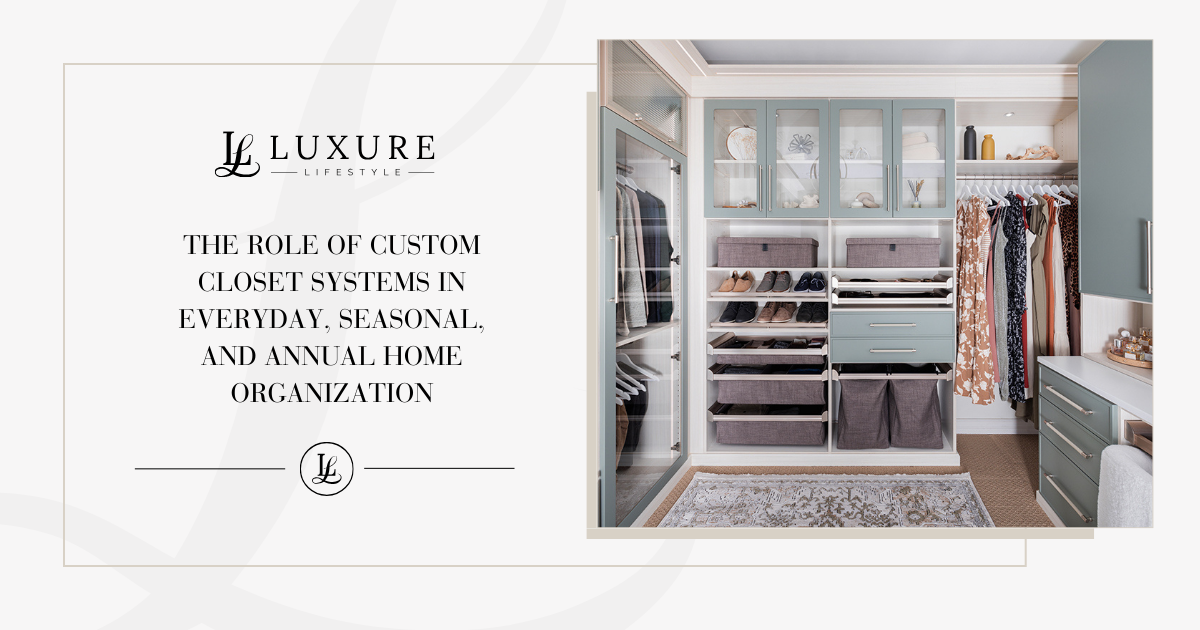
Home organization is not a one-time task. It’s something you maintain daily, adjust seasonally, and reassess each year. I’ve found that custom closet systems are one of the most effective ways to support all three stages because they create structure around how you actually live. The right system keeps everyday routines efficient, makes seasonal transitions easier, and helps prevent long-term clutter from building up. Organization becomes far more manageable when your storage is designed to function year-round.
To understand how custom closet systems work in real life, it helps to break organization down into three practical phases.
- Everyday organization: Keeping daily routines efficient and clutter-free
- Seasonal organization: Managing wardrobe rotations without overcrowding
- Annual organization: Resetting, reassessing, and preventing long-term clutter
Now let’s look at how custom closets support your home on an everyday, seasonal, and annual level.
Everyday Organization: Keeping Daily Routines Efficient and Clutter-Free
Your closet works hardest in the day-to-day moments, not during a once-a-year cleanout. Here’s how custom closet systems support your daily routine and prevent clutter from building up.
- Zoned Storage for High-Use Pieces:
Custom closet systems allow high-rotation items to be positioned at eye level and within comfortable reach. Easy access increases the likelihood that everything is returned to its designated place.
- Defined Sections for Clothing Categories:
Built-in divisions for workwear, casual outfits, activewear, and occasion pieces create visual clarity. Clear boundaries reduce overstacking, mixing, and last-minute digging.
- Dedicated Space for Accessories and Small Items:
Integrated drawers and compartments prevent belts, jewelry, and scarves from spreading across shelves. Containment keeps smaller essentials controlled and easy to locate.
- Hang Space and Shelving That Match Your Inventory:
Custom closets are designed around the volume you actually own. Proper spacing allows garments to hang correctly and shelves to remain orderly instead of compressed.
- An Intuitive Layout That Supports Daily Reset: When each category has a defined location, putting items away becomes automatic. A well-planned layout turns daily resets into a quick habit instead of an extra task.
Daily organization holds up when storage reflects real routines and realistic volume. In my experience, that alignment is what keeps clutter from returning year-round.
Seasonal Organization: Managing Wardrobe Rotations Without Overcrowding
Wardrobe changes throughout the year can easily overwhelm a space that is not structured for rotation. Below are the key ways custom closet systems support seasonal transitions and prevent unnecessary buildup:
- Designated Off-Season Storage:
Out-of-season clothing should have a specific, separate location within your closet. Upper shelving, enclosed cabinets, or labeled bins keep these items accessible, yet out of your everyday line of sight.
- Planned Capacity for Rotations:
Seasonal swaps require available space. Custom closet systems account for rotation volume, so heavier fabrics, bulkier garments, and specialty pieces have room when their season arrives.
- Flexible Hanging and Shelving Adjustments:
Adjustable rods and movable shelves allow storage to adapt as your wardrobe changes throughout the year. I’ve found this flexibility prevents cramming, reshuffling, and unnecessary frustration every few months.
- Protection for Delicate or Specialty Pieces:
Seasonal items like coats, formalwear, or knitwear often require more intentional spacing. Proper compartments help preserve shape, structure, and fabric quality.
- A Controlled Swap Process: A structured layout makes seasonal edits faster and more deliberate. Instead of emptying the entire closet at once, transitions can happen in clear, manageable phases.
Transitions feel far more manageable when rotation is built into the structure of the closet itself. That built-in readiness keeps your space balanced, functional, and prepared for change year-round.
Annual Organization: Resetting, Reassessing, and Preventing Long-Term Clutter
Over time, even the most organized closet can drift off course. Custom closet systems play a critical role in annual home organization by creating boundaries, flexibility, and clarity that make a yearly reset far more controlled.
- Built-In Boundaries That Limit Overaccumulation:
Every rod, shelf, and drawer has a defined capacity. When those limits are reached, it becomes clear that editing is necessary instead of continuing to add.
- Flexible Sections That Adapt Over Time:
Careers shift, lifestyles evolve, and wardrobes change with them. Adjustable components within custom closet systems allow space to be reallocated without dismantling the entire layout.
- Clear Visibility Across Categories:
When items are displayed in organized sections, underused pieces are easier to identify. I recommend using this visibility during your annual review to decide what stays and what no longer fits your lifestyle.
- Category-Based Layout That Simplifies Editing:
Closets divided into distinct zones make it easier to evaluate one section at a time. This prevents the all-or-nothing cleanout that often leads to burnout.
- A Foundation That Prevents Full Reorganization: Because the overall framework remains intact, the annual reset becomes a refinement rather than a rebuild. You adjust within the system instead of starting from scratch.
Long-term organization depends on maintenance, not major overhauls. With the right system in place, your yearly reset becomes a measured recalibration instead of a disruptive project.
Conclusion
Home organization works best when it’s supported at every level, daily, seasonally, and annually. The way your closet functions each morning, adapts during wardrobe rotations, and holds up during a yearly reset determines whether order lasts or slowly slips. Custom closet systems create the structure that supports daily habits, accommodates change, and prevents long-term buildup. Instead of reacting to clutter, you operate within a layout built to handle it. A closet designed to evolve with you makes organization more consistent and far less overwhelming over time.
Recent Posts